Shop polycarbonate cold frame greenhouses designed for hardening off seedlings, overwintering tender plants, and year-round salad growing. 4mm Brett Martin polycarbonate, easy assembly, free UK delivery.
Cold frame greenhouses are one of the most productive and cost-effective pieces of gardening equipment you can own. Low-profile, unobtrusive, and straightforward to use, a cold frame sits between the indoor warmth of a windowsill and the exposure of the open garden — creating a protected microclimate that allows you to grow earlier in spring, later in autumn, and more confidently through the uncertain weeks in between. Whether you are hardening off tender seedlings, overwintering plants that would not survive a UK frost unprotected, or growing a succession of salad crops from October through to March, a cold frame greenhouse gives you the controlled environment to do it without a full-size greenhouse.
The cold frame greenhouse products in this range use 4mm Brett Martin twin-wall polycarbonate — the same co-extruded, UV-stabilised panel material used in our full-size KLASIKA and BALTIC LT greenhouses. Brett Martin polycarbonate carries a 10-year UV warranty, meaning the cover stays clear and effective for a full decade rather than yellowing and clouding after two or three years of outdoor exposure. Polycarbonate is also unbreakable in normal garden conditions, making these cold frame structures safe around children, in busy kitchen gardens, and on allotments where glass breakage would be a genuine hazard.
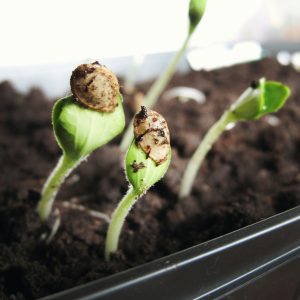
The nursery seedbed with polycarbonate cover (100×93×38cm, 4mm polycarbonate lid) is the standout cold frame product for gardeners who want to start seeds earlier and root cuttings without the cost or complexity of heated propagation equipment.
Used in the open garden or inside an existing greenhouse, this cold frame creates a double-insulated growing environment that significantly extends the temperature range in which seeds will germinate and cuttings will root. On a cold March morning when outdoor temperatures are still hovering at 2°C, the air inside a closed polycarbonate cold frame can hold 8–10°C — enough to germinate many vegetable and flower seeds that would fail entirely without protection.
The 4mm twin-wall polycarbonate cover lifts for watering and ventilation, then replaces to retain accumulated warmth. The 38cm internal depth is sufficient for root trainers, seed trays, and small nursery pots of all standard sizes. When the main propagation season is over, the cold frame converts naturally to a structure for hardening off seedlings — opening progressively over one to two weeks to acclimatise young plants to outdoor conditions before transplanting — and to overwintering cuttings of tender perennials through the colder months. Easy to carry and reposition as seasonal needs change.
The raised seedbed with polycarbonate cover (151×78×44cm) combines the growing advantages of a raised bed with the season-extending protection of a cold frame greenhouse cover. The raised sides bring the growing surface to a more comfortable working height, reducing the bending that makes ground-level cold frames less enjoyable to use intensively. The polycarbonate cover sits over the bed to create the enclosed microclimate when needed, and lifts clear when conditions allow direct growing.
At 151×78cm, this is a meaningfully sized growing area — enough for a continuous sowing of cut-and-come-again salad leaves through the winter months, a full tray of early brassica or tomato seedlings in February and March, or a collection of hardwood cuttings being overwintered through the frost-risk period. The raised bed and cover are sold separately, allowing the bed to be used year-round as a standard raised growing bed while the cover is applied only during the seasons when protection adds genuine value.
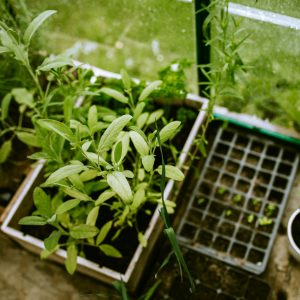
The cold frame greenhouse earns its keep through every month of the UK growing calendar. In January and February, it protects early sowings of broad beans, hardy salads, and overwintered herbs from the sharp frosts that would kill unprotected seedlings. In March and April, it is the hardening-off station — the essential transition environment between the warm indoor windowsill and the open garden — giving tomatoes, cucumbers, and brassicas the two weeks of progressive outdoor exposure they need before planting out. Throughout May and June, it extends the propagation season and protects late transplants from unexpected cold snaps. In autumn, it brings an extra four to six weeks of salad growing — lettuce, spinach, oriental leaves, and lamb’s lettuce all thrive under polycarbonate cold frame protection from September through to November when outdoor growing has effectively ended. Through winter, it provides frost-free storage for tender plants that cannot survive outside — pelargonium cuttings, overwintered herbs, and small specimens of Mediterranean plants that need just a degree or two of protection from the worst cold.
A cold frame greenhouse sits low to the ground with a hinged or sliding polycarbonate lid, designed primarily for plants that are growing at or near soil level. It maximises heat retention through its low profile and close-fitting cover, and it is the right tool for seedlings, hardening off, overwintering low-growing plants, and salad crops.
A mini greenhouse stands taller, typically with shelving, and suits plants that need more vertical space — tomatoes, herbs in pots, or a larger collection of overwintering specimens. For those who find a cold frame too limited for their growing ambitions, the KLASIKA SLIM at 2m wide is the next step up: a full polycarbonate greenhouse on the same galvanised steel frame specification as the larger models, occupying a footprint of just 2m × 2m at its smallest and extending in 2m modules as growing needs grow. It provides the full season-extension benefit of a greenhouse rather than the targeted frost and weather protection of a cold frame.
The concern most commonly raised about polycarbonate cold frames is whether the cover will yellow and cloud over time, reducing the light available to plants. This is a legitimate concern about budget cold frame products that use unbranded or surface-coated polycarbonate — and it is a well-founded one, because low-cost polycarbonate covers can begin to show visible yellowing within a single outdoor season.
Brett Martin twin-wall polycarbonate uses co-extruded UV protection rather than a surface coating. The UV-stabilising compound is incorporated into the panel structure during manufacture — it is a permanent part of the material, not a coating applied on top. It cannot be worn away by weather or cleaning, and it carries a 10-year manufacturer’s warranty against UV degradation. A cold frame greenhouse cover built from this material stays clear throughout a decade of outdoor use, transmitting the maximum available light to plants in the cold months when light is the primary limiting factor on growth.